An Artist-Led Collective

Teaching Artist Residency:
Why It Matters
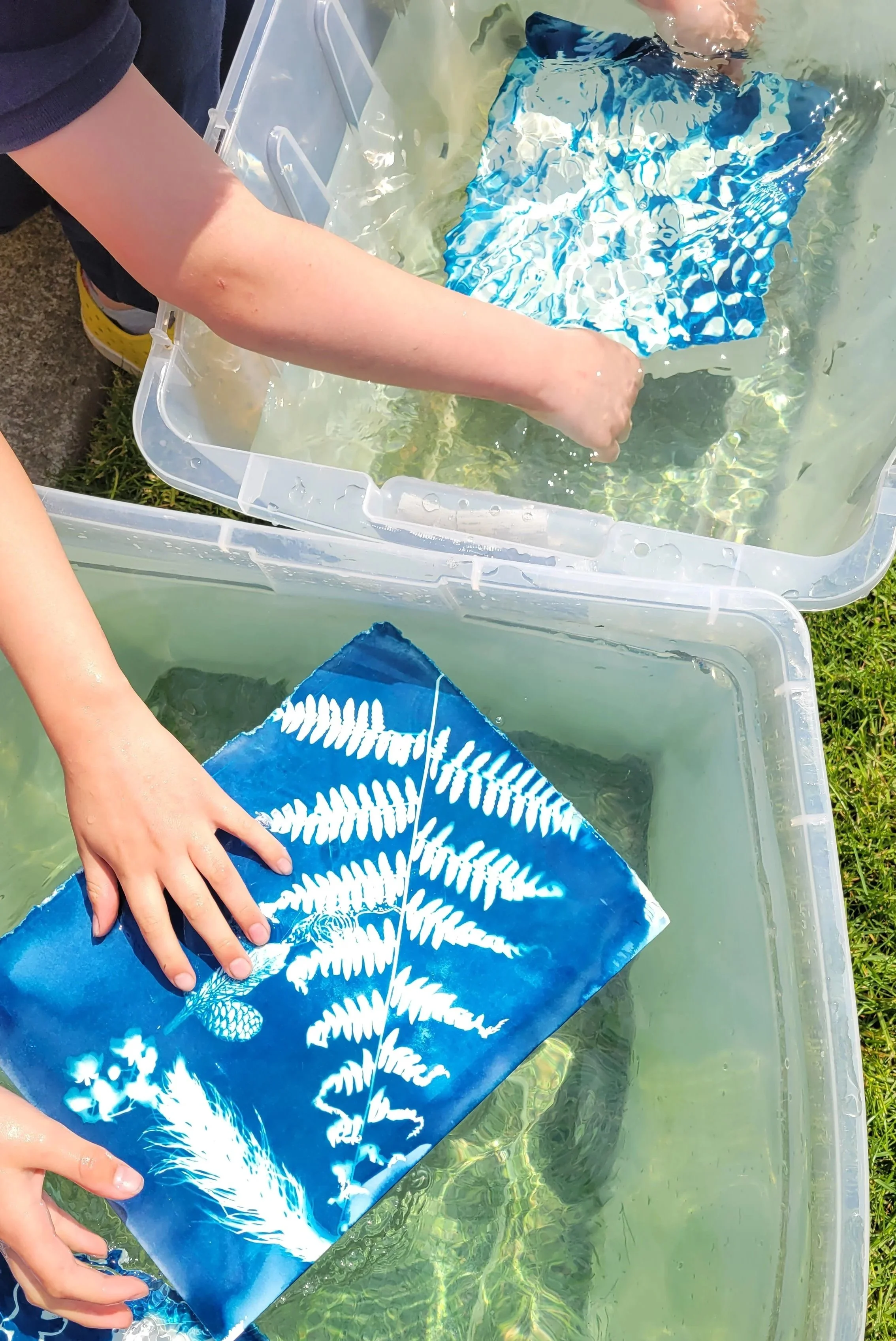
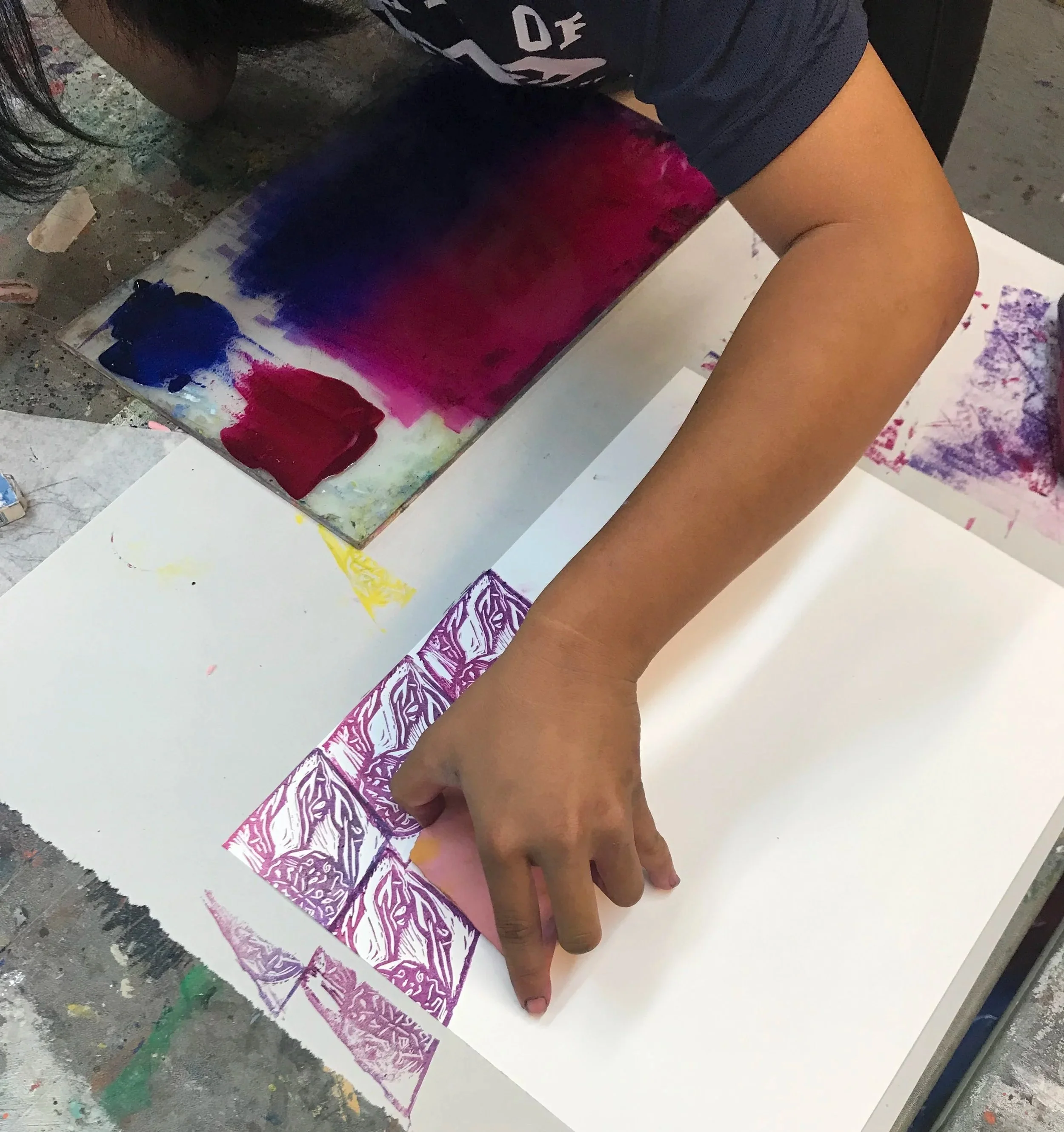
Did you know that there are no paid art teachers in ISD elementary schools?
Deeply dedicated volunteers provide arts programming as much as possible, with countless hours of unpaid support from PTAs and parents. But there is no sequential and scaffolded learning across classrooms or schools, and instruction consistency often correlates to the general wealth of the school population.
Simultaneously, economic opportunity for small businesses, especially those who work in the arts, is drying up and under continuous threat from lack of funding. Gig work does not a sustainable arts career make.
Arts instruction supports how students learn, grow, and connect—both academically and socially.
Builds essential learning behaviors: Creating art develops discipline, repetition, patience, experimentation, and a growth mindset—skills that support learning across subjects.
Strengthens social‑emotional development: Arts engagement supports empathy, self‑expression, emotional regulation, and confidence.
Improves focus and wellbeing: Arts learning has been shown to increase attention, engagement, and overall quality of life for students.
Creates equitable access: When arts education happens during the school day, all students benefit—not only those with access to extracurricular programs.
Supports lifelong outcomes: Process‑based artistic learning impacts students far beyond elementary school, influencing academic success, mental health, and overall wellbeing.
Economic opportunity for highly skilled artists leads to creative opportunity for entire communities
Shows kids that art is a real career path: When students see working artists earning a living doing this work, it reframes art class as a possible future, not just an elective.
Draws in and keeps talented people in the community: When artists can make a living locally, they stick around, teaching your kids, running the summer camp, painting the mural downtown…instead of seeking paid work elsewhere.
Makes your Issaquah a place people want to visit and live in: Communities with a visible, active arts scene draw foot traffic, tourism, and new residents, fueling the creative vibe that make a community feel alive.
Strengthens the broader cultural ecosystem: A community that can financially support its artists sustains more galleries, performances, public art, and cultural programming for everyone.
Fuels everyday local businesses: Artists who are paid fairly spend that money at the local coffee shop, the hardware store, the frame shop, the same way any working professional supports the local economy.